
The Grey in Going Green: An Honest Conversation About Sustainable Fashion's Limits

There is a version of sustainable fashion that feels good to believe in. Cleaner materials, fairer wages, less waste. We want that story to be simple, and plenty of brands are happy to tell it that way. However, the longer we spend in this space, the more we notice how much gets quietly left out.
This blog discusses the real trade-offs inside sustainable fashion, the difference between marketing language and verified practice, and how we think about buying more consciously without pretending the answers are tidy.
Why "Sustainable Fashion" Has Become a Slippery Term
The word "sustainable" shows up on so many product pages now that it has stopped meaning much. A brand can call a shoe eco-friendly because it ships in recycled cardboard. Another can label an entire collection "eco-conscious" with zero sourcing disclosure behind it. This is sustainable fashion greenwashing, and it works because most shoppers have no easy way to check the claim.
Greenwashing fashion brands typically lean on vague descriptors, "better materials," "responsible production," "green initiatives," without naming what those phrases actually mean inside their supply chain. Verified practice looks different. B Corp footwear certification, for example, requires a company to meet measurable standards across governance, workers, community, environment, and customers, then recertify every three years. That is not a badge you purchase. It is a standard you earn and keep earning.
When a brand names specifics, recycled rubber in the sole, locally sourced components, and a defined waste-reduction target, it is giving you something you can actually hold it to. When it doesn't, the language is doing work that the product isn't.
The Trade-Offs Nobody Talks About
The leather vs. vegan shoes environment debate is one of the most misread conversations in fashion. Vegan sounds cleaner, but it often isn't. Many synthetic vegan “leathers” aren’t leather at all. They’re built from PVC or polyurethane, both plastic-based, both petroleum-derived, and neither biodegradable. Their full-life-cycle footprint is not obviously smaller than that of responsibly sourced leather.
The honest eco-friendly shoe trade-off is that you are choosing between different kinds of environmental cost, not opting out of impact altogether.
Recycled materials sit in a better position, though not a perfect one. Recycled rubber soles divert material from waste streams and reduce demand for virgin production. That is a genuine gain. But recycled does not mean zero impact. Processing still consumes energy. The improvement is real and also partial, and any brand presenting recycled content as a complete solution is overstating it.
What Honest Sustainable Fashion Actually Looks Like

Honest sustainable fashion names things. It says which materials are recycled. It describes where components come from and why. It discloses what its factories pay workers. Transparent supply chain shoes come with that kind of specificity, not because it reads well in marketing copy, but because it creates real accountability.
Vintage buybacks and longevity programs are worth paying attention to. They signal that a brand thinks about a shoe's life past the point of sale. When a brand designs for durability and offers a way to return or recirculate a worn product, that is a structural commitment. It costs something to run. It changes how a brand approaches what it makes in the first place.
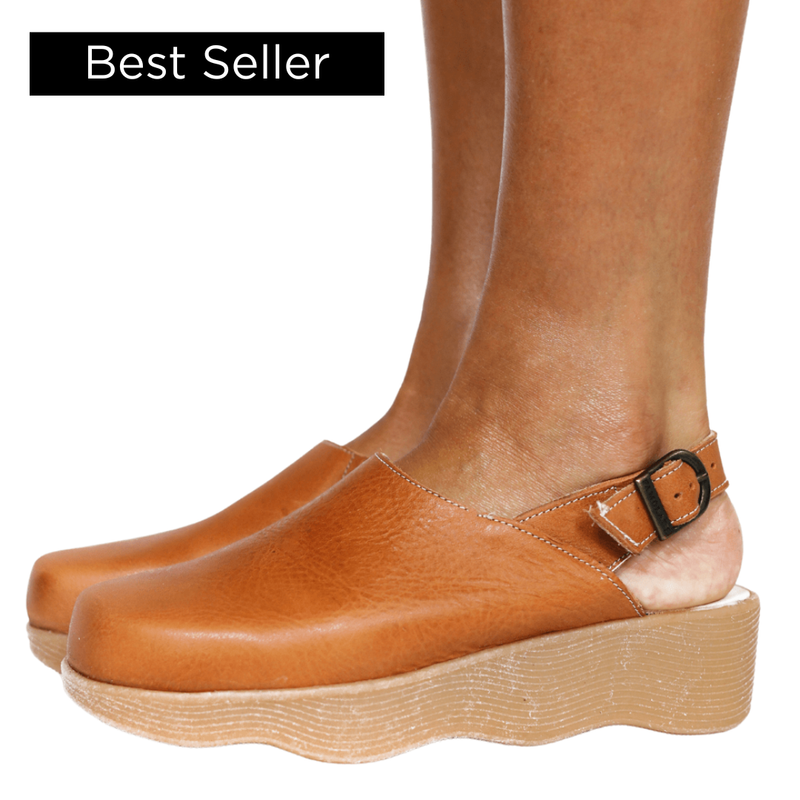
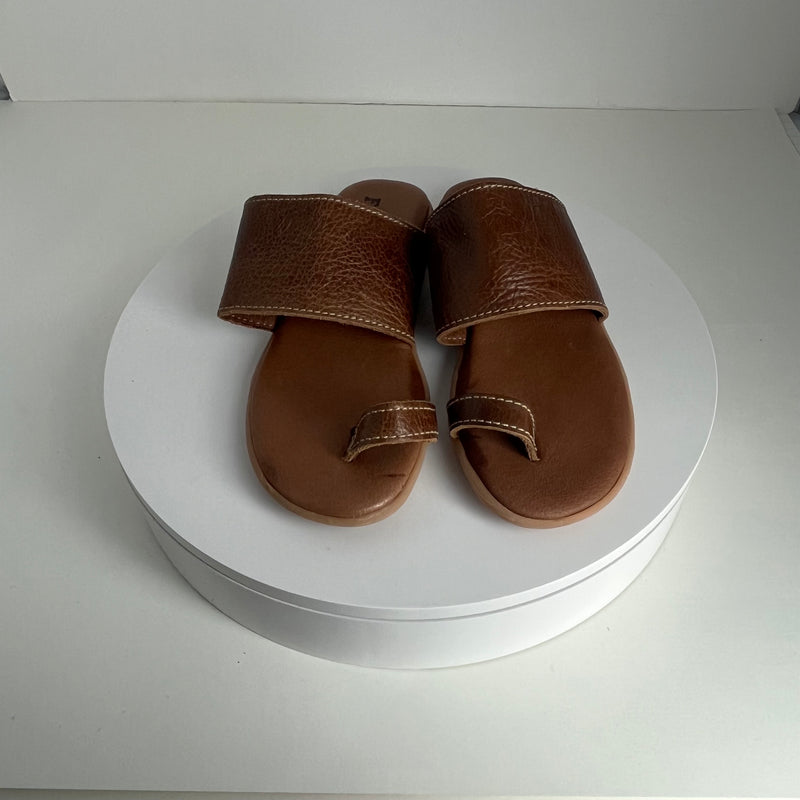
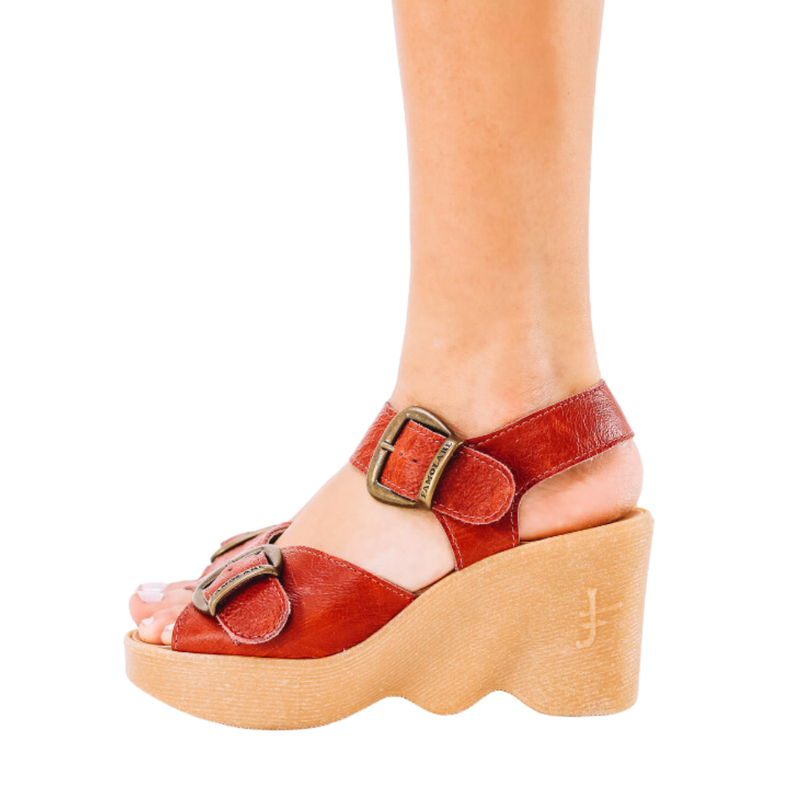
At Famolare, our soles are made from recycled rubber. We source components that are produced locally, all within the same city. Less than 2,000 miles lie between our factories in Mexico and our warehouse in Chicago. We are working on a vintage buyback program and plant trees tied to orders. These are named things with named proof points, not a general sense of trying to do better.
FAQs
What is greenwashing in fashion?
Greenwashing in fashion occurs when brands use vague or misleading environmental claims, such as "eco-friendly" or "conscious collection," without verified evidence or meaningful changes in how products are made.
Is vegan leather actually better for the environment than real leather?
Not always, as many vegan leathers are made from PVC or polyurethane, which are plastic-based materials that carry their own environmental costs, making the leather vs. vegan shoes environment debate genuinely complex.
How can I tell if a footwear brand is actually sustainable?
Look for specific, verifiable commitments, like recycled sole materials, named certifications, transparent supply chain disclosures, and take-back or longevity programs, rather than broad "green" language.
Sustainable Fashion Done Responsibly

Sustainable fashion's limits do not make conscious choices pointless. They make honesty more valuable. The brands worth supporting are the ones willing to show their work, name their materials, disclose their supply chains, and build responsibility into the product rather than onto the marketing page.
Explore Famolare's product line, which shows its commitment to sustainable production, from recycled rubber soles to vintage buybacks, and see what building it in from the start actually looks like.


-
 Someone viewed Ropebox - Ebony 10 mins ago
 -
 Someone viewed Jefferson Airplain - Tapestry 29 mins ago
 -
 Someone viewed Double Play - Ebony Coal 24 mins ago
 -
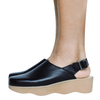 Someone viewed Clog Heaven - Coal 20 mins ago
 -
 Someone viewed Double Play - Midnight 2 mins ago
 -
 Someone viewed Double Play - Leopard 25 mins ago
 -
Someone viewed Double Play - Leopard 28 mins ago
-
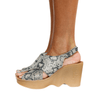 Someone viewed Cross Your Heart - Serpent 17 mins ago
 -
 Someone viewed Double Vision - Ebony Coal 12 mins ago
 -
 Someone viewed Dish Rope - Ebony 25 mins ago
 -
 Someone viewed Dreamweaver - caramel 26 mins ago
 -
 Someone viewed Slide Over - Coal 18 mins ago
 -
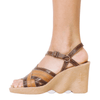 Someone viewed Double Crosser- Earth / Cognac 13 mins ago
 -
 Someone viewed Double Vision - Earth Chestnut 27 mins ago
 Someone viewed Ropebox - Ebony 10 mins ago
 Someone viewed Jefferson Airplain - Tapestry 29 mins ago
 Someone viewed Double Play - Ebony Coal 24 mins ago
 Someone viewed Clog Heaven - Coal 20 mins ago
 Someone viewed Double Play - Midnight 2 mins ago
 Someone viewed Double Play - Leopard 25 mins ago
 Someone viewed Cross Your Heart - Serpent 17 mins ago
 Someone viewed Double Vision - Ebony Coal 12 mins ago
 Someone viewed Dish Rope - Ebony 25 mins ago
 Someone viewed Dreamweaver - caramel 26 mins ago
 Someone viewed Slide Over - Coal 18 mins ago
 Someone viewed Double Crosser- Earth / Cognac 13 mins ago
 Someone viewed Double Vision - Earth Chestnut 27 mins ago