
How to Make Your Leather Sandals Last 10 Years: A Care Routine That Actually Works

Every time a pair of leather sandals gets tossed because the straps cracked or the footbed gave out, that's money and wear left behind. Good leather, given consistent attention, does not wear out. It ages and softens in the right places, holds its shape, molds to your feet, and keeps moving with you. At Famolare, we make sandals by hand, with recycled rubber wavy soles and leather built for real life. That construction deserves a care routine that matches it. This blog breaks down a leather-care routine we trust.
What You'll Need Before You Start
Gather the right tools before anything touches your sandals. A soft-bristle brush and a clean cloth handle surface dirt without scratching. A mild leather cleaner lifts grime without stripping natural oils. For conditioning, choose a product suited to full-grain or vegetable-tanned leather, since those materials respond differently from bonded leather. A waterproofing spray adds a protective barrier against light moisture, and edge dressing keeps exposed sole edges from scuffing and separating. Having these ready before you need them is half the work done.
How to Clean Leather Sandals After Every Wear
The single most effective thing we do for our sandals is wipe them down before putting them away. Dirt, sweat, and skin oils break down leather over time, and letting them sit on it accelerates the process. After each wear, run a clean, slightly damp cloth over the straps and footbed. For dry dust or light debris, a soft brush works better than a damp one.
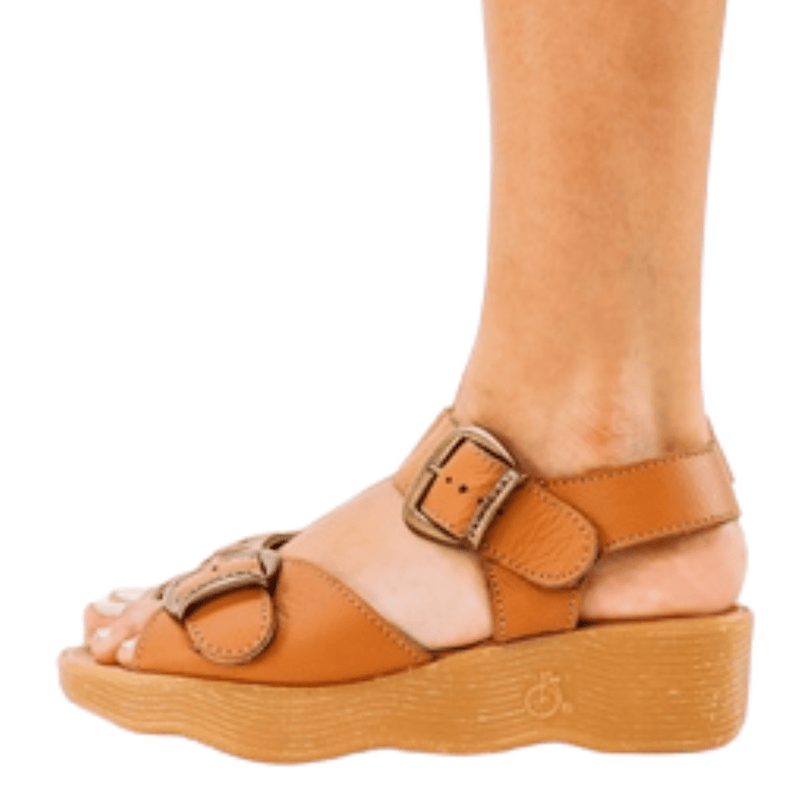
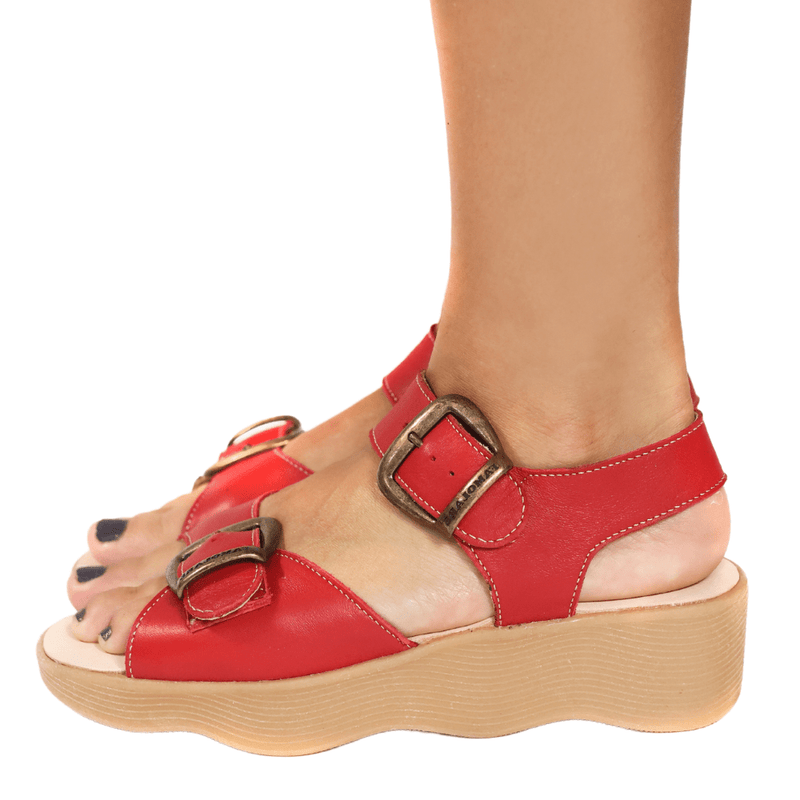
Strappy sandals need extra attention. Buckles collect residue where the leather folds. Toe loops trap moisture and friction marks. Layered straps catch grit in the gaps between them. Spending an extra thirty seconds on these spots makes a visible difference over a season. For a deeper clean on the straps, a small amount of mild leather cleaner worked in gently with a cloth, then wiped off, keeps the surface even and looking right. According to the Shoe Service Institute of America, leather shoe care should begin with cleaning to remove surface dirt before conditioning the leather.
How to Condition Leather Sandals So They Stay Supple
Leather is natural. Without moisture, it dries out, stiffens, and eventually cracks. Conditioning replaces the oils that wear and cleaning remove. It is advisable to condition your sandals about once a month during regular wear, to keep it soft and supple. Whenever the leather starts to look dull or feels less flexible than it should, you know it’s time to condition.
Climate matters here. Dry heat pulls moisture from leather fast. In hot or arid conditions, conditioning active wear every two to three weeks makes sense. Apply conditioner with a clean cloth, working it into the straps in circular motions, paying extra attention to edges and the footbed where leather flexes most. Let it absorb fully before wearing. Within a few applications, the leather feels noticeably more pliable, looks richer, and is far less likely to crack at stress points.
Protecting the Sole

Famolare's signature 4-wave soles are made from recycled rubber, designed to move with the foot's natural rolling motion. Famolare produces handcrafted, durable shoes, proven heirlooms that last through generations, but it still benefits from deliberate care.
Surface scuffs and minor edge wear are DIY territory. A skilled cobbler can resolve or repair most other issues that leather handcrafted sandals may have, adding years to their lifespan. We explore that further through our re-run and vintage buyback program, which exists because we believe good shoes deserve a second act. Famolare shoes and sandals are constructed for the long game. The 100% leather upper softens and conforms to the foot over time. The recyclable rubber outsole is built to last. The padded vachetta leather insole maintains its support across years of wear. Re-Runs pieces may show signs of a previous life, and that's the point. Each pair tells a story of comfort, movement, and miles walked.
How to Store Sandals Between Seasons

Storing sandals without cleaning them first is one of the most common mistakes we see. Dirt and oils left on leather during months of storage cause permanent staining and fiber breakdown. Before sandals go away for the season, clean them thoroughly, condition the leather, and let everything dry completely.
Breathable cotton bags or fabric pouches protect against dust while allowing air to circulate. Plastic bags trap moisture and create conditions for mold. Keep stored sandals away from direct sunlight and humidity, both of which degrade leather over time. An end-of-season conditioning treatment before storage acts as a reset, giving the leather what it needs to stay supple through the months it spends resting. Part of why this matters to us goes back to our commitment to responsible production: a sandal that is properly cared for rarely needs replacing.

FAQs
Can I get my leather sandals wet?
Occasional light moisture is manageable, but prolonged water exposure weakens leather fibers and should be avoided whenever possible.
How often should I condition my leather sandals?
Once a month with regular wear, or any time the leather starts to look dry or feel stiff, is the right cadence to follow.
Are Famolare's sandal soles repairable?
Yes, Famolare's recycled-rubber wavy soles are durable by design, and a skilled cobbler can resole or repair them to significantly extend their lifespan.
Good Leather Lasts When You Take Care of It
Ten years is not an exaggeration. It is what good leather and consistent care make possible. Wipe down after every wear, condition monthly, protect the sole, and store with intention. Once it becomes a habit, it takes almost no time. What it gives back is a pair of sandals that keeps going, keeps looking right, and keeps feeling like something worth holding onto.
Shop Famolare leather sandals that are built to go the distance, and care for them like they deserve.


-
 Someone viewed Clog Heaven - Coal 10 mins ago
 -
 Someone viewed Double Play - Earth Chestnut 12 mins ago
 -
 Someone purchased Clog Heaven - Earth 23 mins ago
 -
 Someone viewed Dish Rope - Ebony 3 mins ago
 -
Someone viewed Clog Heaven - Coal 2 mins ago
-
 Someone viewed Dish Rope - Rainbow 8 mins ago
 -
 Someone viewed Cross Your Heart - Leopard 9 mins ago
 -
 Someone viewed Double Crosser- Earth / Sand 13 mins ago
 -
 Someone viewed Double Vision - Midnight 18 mins ago
 -
 Someone viewed Double Play - Ebony Coal 11 mins ago
 Someone viewed Clog Heaven - Coal 10 mins ago
 Someone viewed Double Play - Earth Chestnut 12 mins ago
 Someone purchased Clog Heaven - Earth 23 mins ago
 Someone viewed Dish Rope - Ebony 3 mins ago
 Someone viewed Dish Rope - Rainbow 8 mins ago
 Someone viewed Cross Your Heart - Leopard 9 mins ago
 Someone viewed Double Crosser- Earth / Sand 13 mins ago
 Someone viewed Double Vision - Midnight 18 mins ago
 Someone viewed Double Play - Ebony Coal 11 mins ago